How to Become a Politician

Many people dream about making a real difference in society — shaping laws, protecting the environment, or improving community welfare. Understanding how to become a politician is the first step toward turning that ambition into action. Politics isn’t just about speeches or campaigns; it’s about responsibility, leadership, and service. Whether your goal is to serve locally or influence national policies, the path requires a mix of education, networking, and integrity.
1. Understanding the Political Landscape
Before deciding to run for office, take time to understand how politics works in your country or region. Learn how decisions are made, what roles local councils, parliaments, or ministries play, and which policies affect your area most. Organizations like Science Policy Exchange often provide insight into how science and evidence shape political decision-making — an essential skill for future leaders.
2. Education and Knowledge Building
While there is no single degree for politics, certain academic backgrounds help. Degrees in Ecology, economics, law, sociology, or political science give a strong foundation for understanding complex issues. Many politicians start as researchers or policy advisors before entering public service. Continuous learning is key — from public speaking workshops to leadership courses.
| Field of Study | Skills Gained | Career Relevance |
|---|---|---|
| Political Science | Policy analysis, legislative systems, international relations | Directly applicable to political work |
| Law | Critical thinking, legal frameworks, public speaking | Helps in drafting and understanding legislation |
| Environmental Science | Data interpretation, sustainability, environmental policy | Supports evidence-based policymaking |
| Economics | Budgeting, financial literacy, economic forecasting | Useful for public spending and fiscal decisions |
3. Gaining Real-World Experience
Education alone doesn’t make a politician — experience does. Work or volunteer in your community. Join local boards, attend city meetings, and participate in policy discussions. These activities build credibility and show you care about issues beyond theory.
Many future leaders also engage in environmental initiatives, such as those promoted through the Hub for Environmental Education. These experiences help you learn how decisions affect people and nature simultaneously.
4. Developing Communication and Leadership Skills
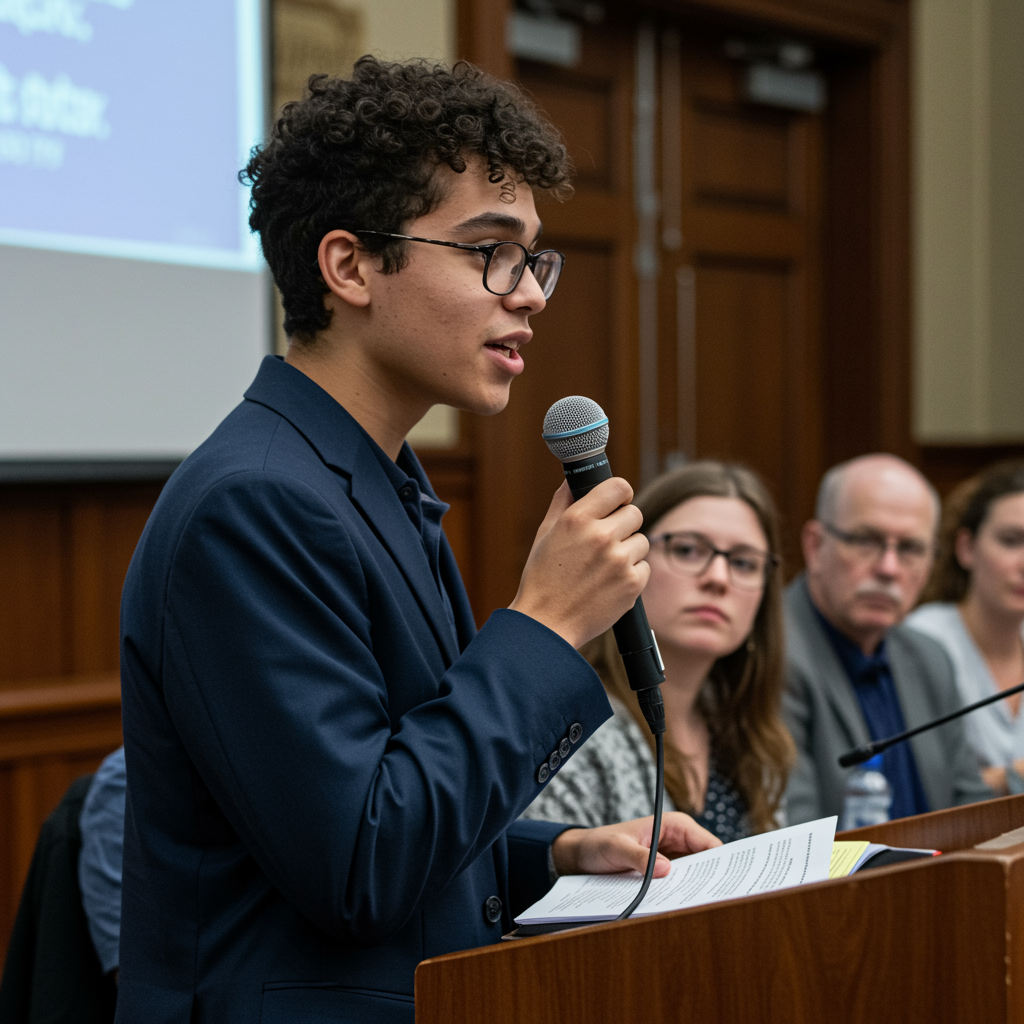
Great politicians are great communicators. Practice public speaking, negotiation, and empathy. Learn to listen as much as you speak. Your ability to build trust and inspire action often determines your success more than any campaign strategy.
Joining debate clubs, advocacy groups, or student councils can be an excellent way to start. Don’t be afraid to share your ideas online — social media has become a key part of modern politics when used responsibly.
5. Building a Network and Reputation
Politics is a team effort. Networking with mentors, academics, journalists, and activists can open doors. Many successful politicians begin by supporting others’ campaigns before launching their own. This helps them learn campaign management, media strategy, and voter outreach from the inside.
Engage with organizations that combine science and policy, such as Science Policy Exchange’s research on air quality and health. Collaborating with such institutions shows that your decisions are guided by evidence, not ideology.
6. Running for Office
Once you have knowledge, experience, and community trust, it’s time to act. Running for office starts with identifying the position that best fits your goals — local council, regional assembly, or national parliament. Build a team, develop a clear message, and set realistic campaign goals.
Steps to Launch Your Campaign
- Register your candidacy according to local laws.
- Assemble a campaign team — communications, finance, and field outreach.
- Design your campaign platform focusing on specific, solvable issues.
- Raise awareness through events, interviews, and community visits.
- Stay transparent about funding and goals.
7. Staying Grounded After Success
Winning an election is only the beginning. True leadership is proven through consistent service, transparency, and responsiveness. Politicians who prioritize evidence-based policy — as advocated by Science Policy Exchange — maintain public trust and make lasting change.
Conclusion
Becoming a politician is about more than ambition. It’s a commitment to improving lives through informed action. Whether your passion lies in environmental reform, education, or social justice, start by learning how systems work and how your voice can shape them. When you understand how to become a politician, you begin to see that leadership starts with service — and that change begins with knowledge.